
How Much Does a Shop Sign Cost? A UK Price Guide for Business Owners
Before a single panel is cut, one cost is fixed by law rather than by your sign maker: if your sign needs express advertisement consent, the application fee in England is £174 for an advertisement relating to the business on the premises. Everything after that depends on decisions you get to make — and this guide explains which ones actually move the number.
- Focus keyword: how much does a shop sign cost
- Read time: 8 minutes
The short answer: a small panel sign or plaque starts from around £50, and a printed or frosted acrylic panel with standoff fixings starts from around £200. A full shop fascia is quoted on measure, because its price is driven by width, material, whether it is illuminated and whether it needs installing at height. These are guide figures only, not a quote — every sign is priced on the job in front of us.
Why Nobody Publishes a Flat Price for a Shop Sign
It is the most common question we get asked, and it is the hardest one to answer with a single number. A “shop sign” is not one product. It covers a flat printed panel screwed to a wall, a built-up fascia with individual letters, an illuminated tray sign wired into the mains, and a window vinyl that takes an hour to apply.
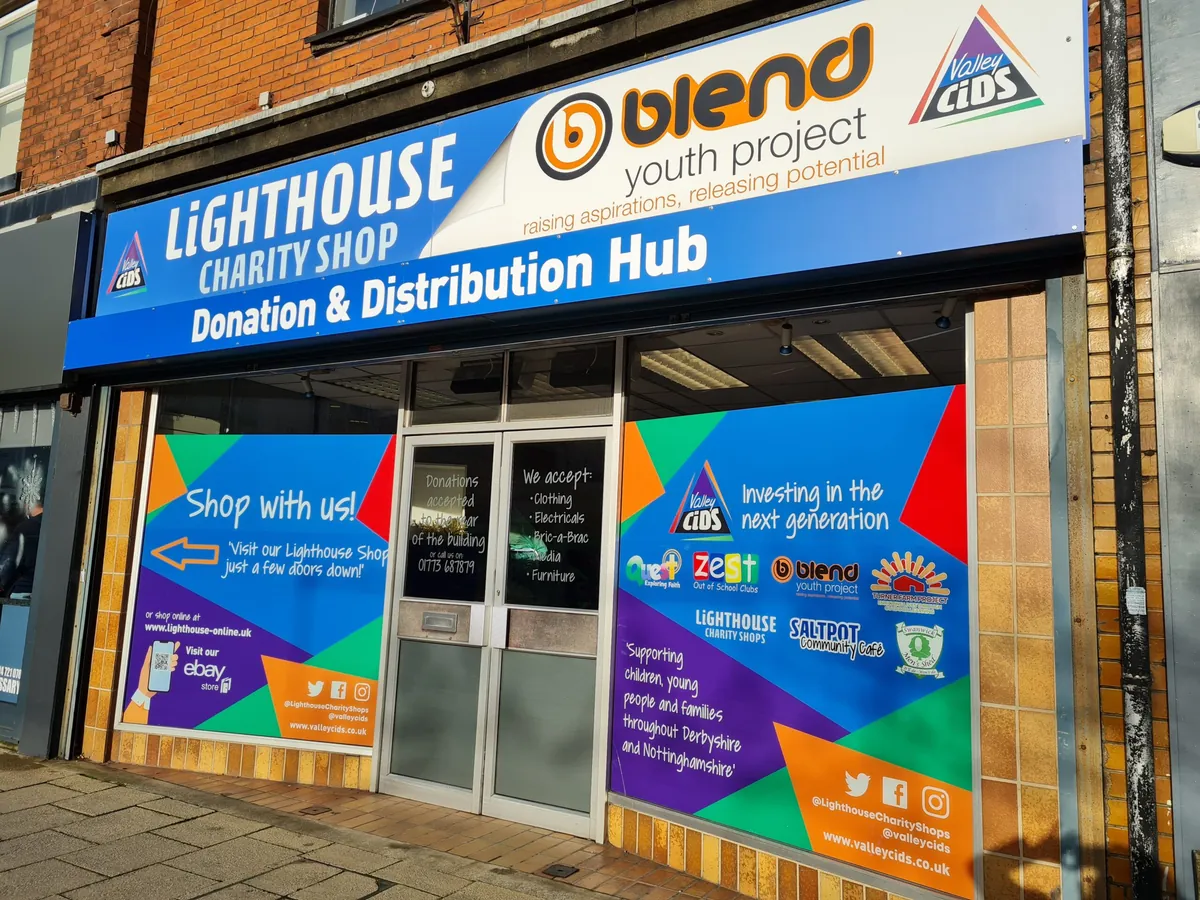
Those four things differ in price by a factor of twenty or more. Any guide that gives you one figure has quietly picked one of them and hoped you meant that one.
What we can do — and what most guides do not — is show you exactly which decisions add cost, in the order they matter. Get those right and you can budget properly before you ever ask anyone for a price.
The Six Things That Actually Drive the Price
1. Size
Size is the biggest single factor, and it is not linear. Sign material is bought in standard sheets. A sign that fits inside one sheet is dramatically cheaper per square metre than one that needs two sheets joined, because joining introduces a seam, extra fixings and more labour.
Measure the space before you ask for a price. A 20mm reduction that keeps you inside a standard sheet can save more than choosing a cheaper material would.
2. Material
Material sets both the price and the lifespan, and the two are linked. A lightweight temporary board costs a fraction of a rigid composite panel, but it is not a permanent product and should not be priced against one.
The honest way to think about it is cost per year on the wall, not cost on the invoice. A panel that costs twice as much and lasts five times as long is the cheaper sign. Our guide to the materials used for outdoor business signage covers what each one is actually suited to.
3. Illumination
Adding light is the single largest step change in cost. An illuminated sign is no longer just a printed panel — it is a fabricated tray or built-up letter set, an LED system, a transformer, and a qualified electrical connection.
It also changes your planning position, which we come back to below. If your budget is tight and the shopfront is well lit by street lighting already, a non-illuminated sign in a high-contrast colourway often performs better per pound spent. If you are weighing it up, our guide to the different types of illuminated business signs sets out the options.
4. Fixing and installation
A plaque you screw on yourself costs nothing to fit. A fascia sign eight feet up a Victorian shopfront needs access equipment, two people, and often a survey of what is behind the render before anyone drills into it.
Installation is frequently the line item that surprises people, because it is invisible in an online price. Always ask whether a quoted figure is supply-only or supply and fit.
5. Artwork
If you have print-ready vector artwork, artwork costs you nothing. If you have a logo that exists only as a small image pulled off a website, it has to be redrawn before it can be printed at fascia size. That is design time, and it is chargeable.
This is the cheapest thing on the list to fix in advance. Find your original logo files before you order anything — our notes on what to send your printer explain what counts as usable.
6. Consent
The one genuinely fixed cost. More on this next.
The Consent Cost Most Price Guides Leave Out
In England you may need to apply for advertisement consent to display an advertisement bigger than 0.3 square metres — or of any size at all if it is illuminated. That second clause catches people out constantly. A modest illuminated sign can need consent where a much larger unlit one does not.
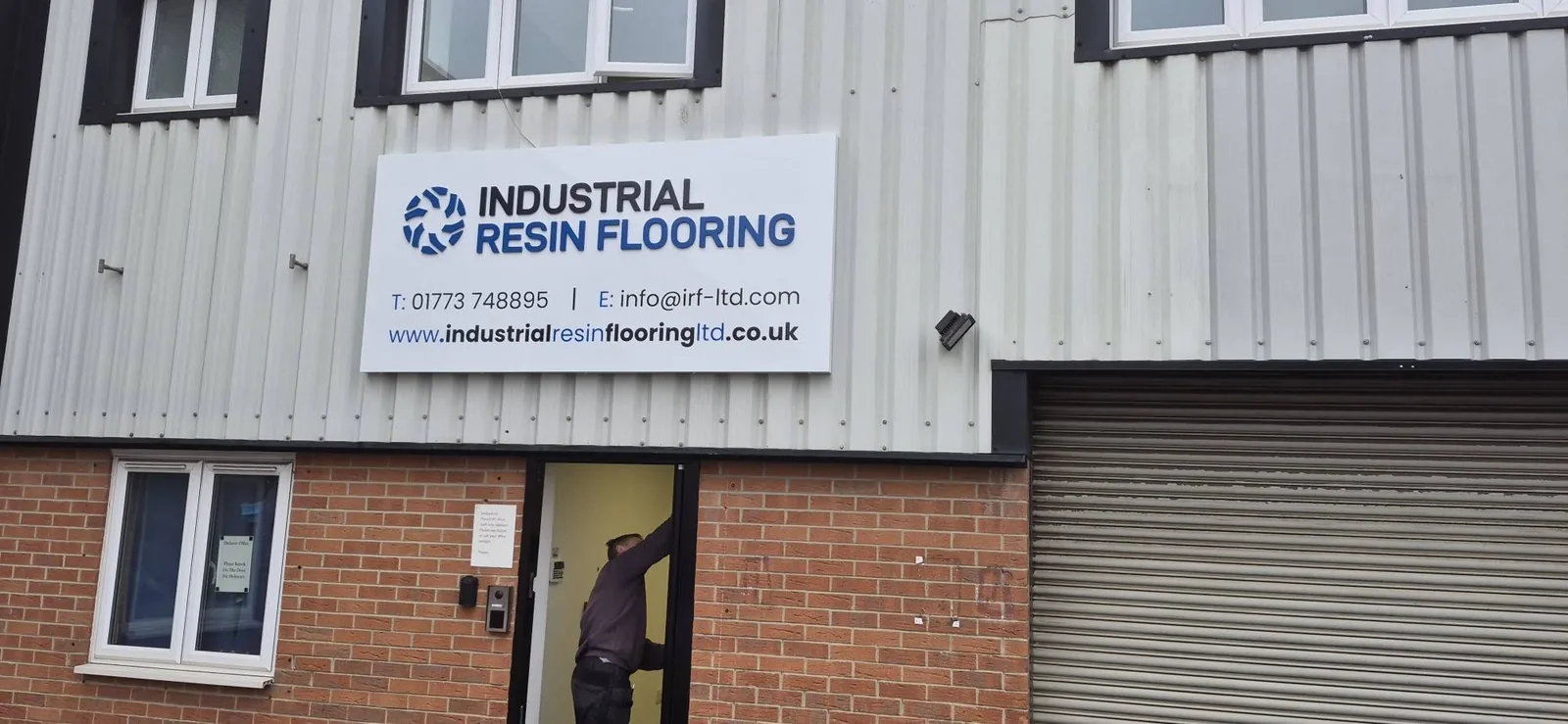
Where express consent is required, the application fee in England is £174 for a sign relating to the business on the premises. That figure is per application, not per sign, and it is separate from anything your sign maker charges.
Many traditional non-illuminated fascia and hanging signs fall under “deemed consent” and need no application at all, subject to conditions and size limits. It is worth checking which side of the line you are on before you commit to a design — we have written a fuller explanation in our guide to whether you need planning permission for a business sign.
Worth knowing: displaying an advert without the consent it requires is a criminal offence, and the local planning authority can require its removal. A design change made before manufacture is free. One made after installation is not.
What Printscene Publishes, and What We Quote on Measure
We would rather show you the starting points we can stand behind than invent a range for something we price individually.
- Small panel sign or plaque — from £50. A flat printed panel, typically door-height or below, supplied ready to fix.
- Printed or frosted acrylic panel — from £200. Includes standoff fixings. Acrylic is the usual choice for reception and office frontages where the sign is seen close up.
- Shop fascia sign — on measure. Priced per job on width, material, illumination and access.
- Large outdoor or building sign — on measure. Same reasons, at a bigger scale.
These are guide figures only and are not a quote. We publish “from” prices because we think a business owner deserves a starting point, and we decline to publish a number for a fascia because there is no honest one to publish — the range is genuinely too wide for a figure to help you.
You can see the full outdoor range and current starting prices on our outdoor business signs page, and the close-up options on our custom acrylic signs page.
Where the Money Is Best Spent
Here is the point of view most price guides avoid, because it does not sell the biggest sign: for the majority of independent shops, the highest-return spend is not on size or illumination. It is on legibility and finish.
A modest, well-proportioned sign in a colour that contrasts hard with the building, using a typeface that is readable from across the road, outperforms a larger sign that is busy or low-contrast. We have watched it happen on the same street. Spend the marginal £200 on getting the artwork right and the material specified for the exposure, not on adding another foot of width.
The second-best spend is on lifespan. Signs fail at the edges and at the fixings long before the print fades. Sealed edges, the right fixings for the substrate you are fixing into, and a material rated for the exposure it will actually get are what determine whether you are doing this again in three years.
Getting an Accurate Price Quickly
If you want a realistic figure in one exchange rather than three, have these ready:
- The width and height of the space, measured, in millimetres.
- A photo of the frontage taken square-on from across the pavement.
- Whether it is to be illuminated.
- Your logo in its original file format.
- Whether you need it fitted, and how high up it goes.
- Whether the building is listed or in a conservation area.
That last one matters more than people expect. A listed building needs listed building consent in addition to advertisement consent, and it changes what is realistically approvable.
Frequently Asked Questions
How much does a shop sign cost in the UK?
There is no single figure, because the term covers everything from a £50 printed panel to a fabricated illuminated fascia. At Printscene small panel signs start from £50 and printed or frosted acrylic panels from £200, while full shop fascias are quoted on measure. Size, material, illumination and installation access are what move the number. These are guide figures, not a quote.
Is an illuminated shop sign worth the extra cost?
It depends on your trading hours and your street. If you trade after dark, or your frontage sits back from the street lighting, illumination earns its keep. If you close at five on a well-lit high street, the same money spent on a larger, higher-contrast unlit sign usually does more. Remember that illumination also triggers the need for advertisement consent regardless of the sign’s size.
Do I have to pay for planning permission for a shop sign?
Only if your sign needs express advertisement consent rather than falling under deemed consent. Where an application is required in England, the fee is £174 for an advertisement relating to the business on the premises. Many traditional non-illuminated fascia and hanging signs are covered by deemed consent and need no application, subject to conditions and size limits.
Why won’t sign companies publish a price for a fascia sign?
Because a fascia is measured, not picked off a shelf. Two shops on the same street can differ by several times in price on width and access alone. A published figure would be either so low it is misleading or so high it puts people off. We publish “from” prices for the products we can price consistently and quote the rest on measure.
What is the cheapest way to sign a shopfront?
Window graphics and a small printed panel. Vinyl applied to existing glass needs no structure, no installation at height and, at modest sizes, often no consent. It is not a substitute for a proper fascia long term, but it is a genuinely effective way to trade while you budget for one.
Want a real figure for your frontage?
Send us the measurements and a photo of the shopfront and we will price it properly — designed, printed and fitted from our Somercotes workshop in Alfreton, across Derbyshire and the East Midlands.