
Printscene — Somercotes, Alfreton, Derbyshire
Menu Printing for Pubs, Cafés and Restaurants: Formats, Materials and the Rules
A menu is the only piece of print in a hospitality business that every single customer handles. It gets grabbed, folded, spilled on and read in bad light — and in England it now has legal information to carry as well. Getting the format and the material right at the ordering stage is what stops you reprinting the lot in three months.

Reviewed and signed off by Printscene
Updated 15 October 2026
- 🍴 Hospitality Print
- 🎯 Menus & Table Print
- 🔧 Printscene, Alfreton
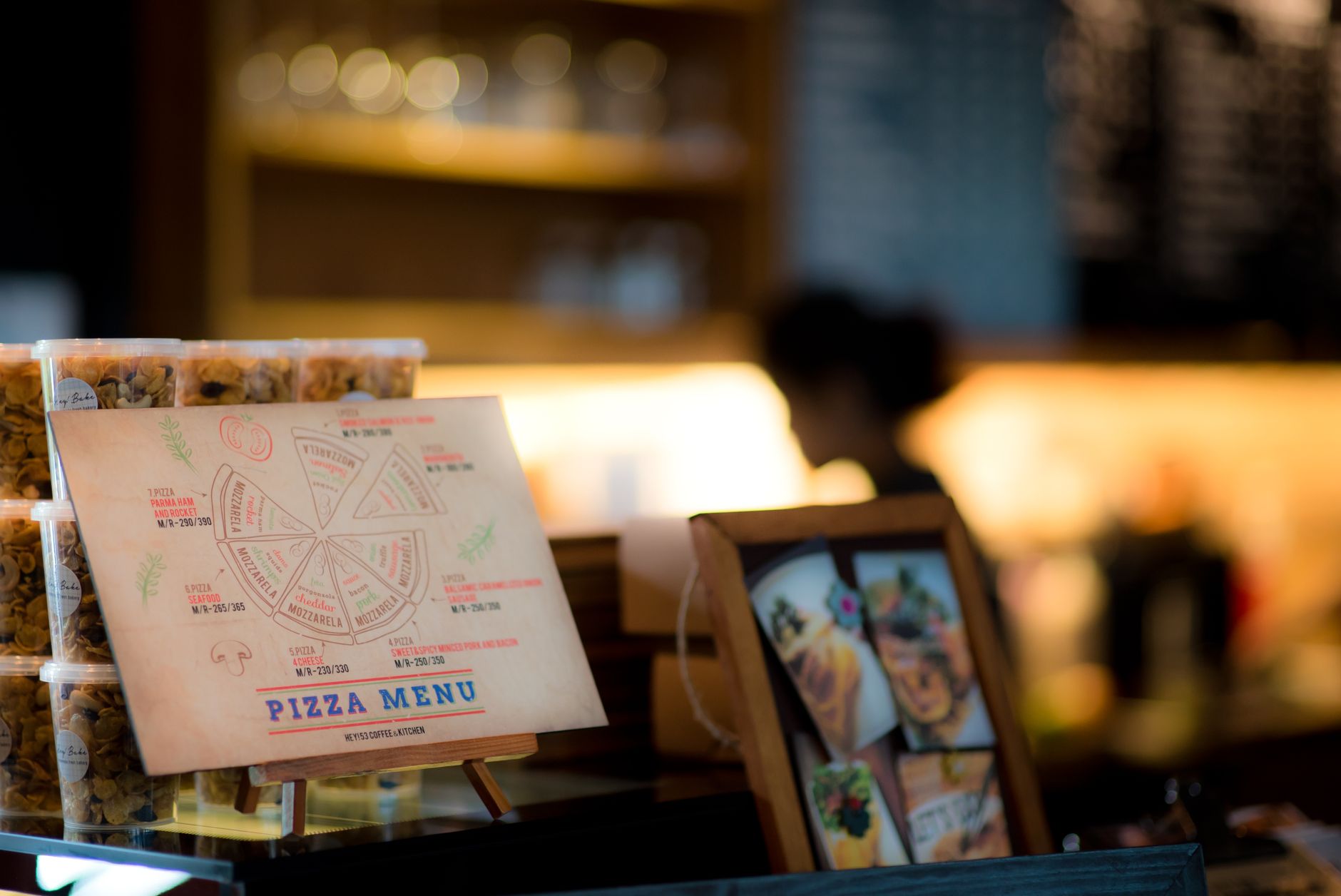
What menu printing involves. Menu printing covers printed food and drink lists for hospitality — single-sheet A4 menus, folded card menus, A5 inserts, table talkers and display boards. The two decisions that matter most are how long the menu needs to survive and how often the content will change. Everything else — size, stock, lamination — follows from those two answers.
Start With How Long the Menu Has to Last
Before anyone talks about paper weights, work out the lifespan. It splits menus into three broad groups, and each one wants a different build.
Short-life menus change weekly or seasonally — specials, a set lunch, a Christmas menu. These want a light, inexpensive sheet printed in a modest quantity. Laminating them is usually a waste, because they will be replaced long before they wear out.
Everyday menus stay on the table for months and get handled constantly. These want a heavier stock and, in most cases, a wipe-clean finish. This is the group where under-specifying costs you money, because a menu that looks tired reflects on the food.
Long-life menus — a drinks list behind the bar, a wall-mounted board, a takeaway menu in a rigid holder — can justify a synthetic or rigid material that will not curl, tear or absorb moisture at all.
Menu Printing Formats That Actually Work in a Venue
The format decision is mostly about how much you need to fit and how the menu will be handled at the table.
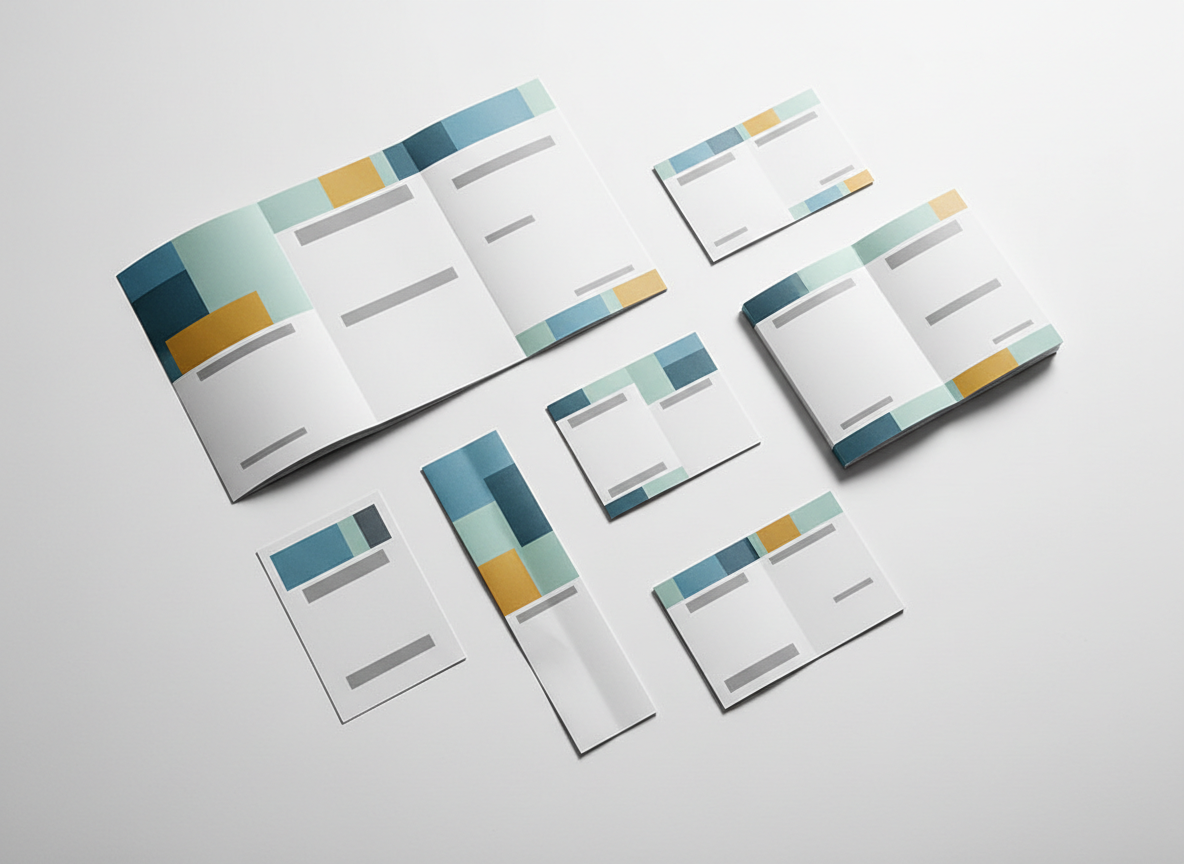
- Single-sheet A4. The workhorse. Cheap, fast to reprint, easy to slot into a folder or a holder. Best where the offer is compact or changes often.
- Folded A3 to A4. Four sides of content in something that still handles like a single sheet. Good for a pub doing food plus drinks without needing two separate menus.
- A5 single sheet or card. Ideal for drinks lists, dessert menus and specials that sit alongside a main menu rather than replacing it.
- DL and table talkers. Small, upright, and useful for promoting one thing — a new cocktail list, a Sunday roast, a loyalty offer.
- Menu covers with replaceable inserts. The smart option for anywhere prices or dishes change regularly. You buy the cover once and reprint only the insert.
- Boards and displays. Wall-mounted, freestanding or exterior. These belong with signage rather than paper print, but they carry the same content and should match it visually.
Our guide to sizes, folds and paper stocks covers the folding options in more detail — most of what applies to a folded leaflet applies directly to a folded menu.
Materials and Finishes: What Survives Service
Menus fail in predictable ways. They get wet, they get greasy, they get creased at the fold, and the corners go soft. The finish is what determines how long that takes.
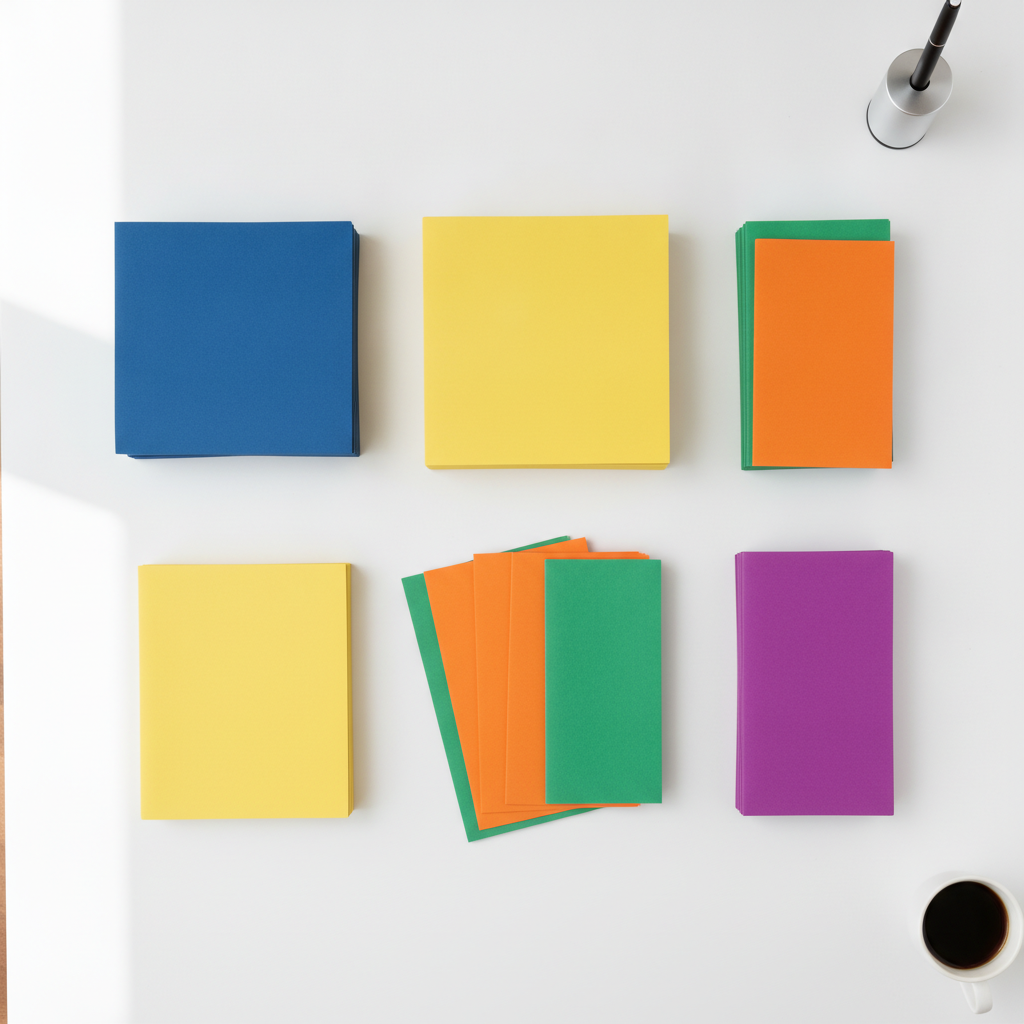
Paper weight is the first lever. A menu printed on the same stock as a flyer will feel flimsy in the hand and will not last a fortnight of service. Heavier board holds its shape, resists creasing and simply feels better to pick up. Our paper weight and GSM guide explains how the numbers translate into feel.
Lamination is the practical wipe-clean answer. Gloss lamination is the most protective and the easiest to clean, though it does reflect overhead lighting. Matt lamination looks more refined and photographs better, but shows finger marks more readily. Soft-touch sits at the premium end. The print finishes guide compares them side by side.
Synthetic and waterproof stocks go further again. They do not absorb liquid at all, so they suit outdoor use, beer gardens, poolside venues and anywhere a menu is genuinely going to get wet rather than just wiped.
The mistake we see most often. Laminating a menu whose prices are about to change. Lamination is what makes a reprint expensive, so it belongs on the parts of your offer that are stable. If prices move often, put them on an unlaminated insert inside a laminated cover.
The Rules: Allergens and Calorie Labelling
Menus are not just marketing material — they are one of the places food information law lands, and that has changed twice in recent years.
Allergen information. Food businesses serving non-prepacked food have to provide allergen information for the regulated allergens, and the menu is one of the accepted places for it. The Food Standards Agency publishes technical guidance on allergen labelling and information requirements covering caterers as well as manufacturers. If you are designing a new menu, decide early whether the allergen information sits inline against each dish, in a matrix at the back, or in a separate folder — it changes the layout significantly.
Calorie labelling. This one has a size threshold. The Department of Health and Social Care’s implementation guidance confirms that the calorie labelling regulations apply in England to businesses with 250 or more employees and came into force on 6 April 2022. If you are a single independent pub or café, they do not apply to you — though the guidance encourages smaller businesses to label voluntarily.
Where the rules do apply, the practical print consequences are worth knowing. Calorie content must appear in kilocalories at the point of choice, alongside a reference to the portion size, plus the prescribed statement that “adults need around 2000 kcal a day” — which has to appear once on every page of the menu, and on each side of a double-sided card. That last detail is a layout requirement, not a footnote, and it is easy to miss until the proof comes back.
Two exemptions are useful for menu planning: items on the menu for fewer than 30 consecutive days (and no more than 30 days in a year) are exempt, as are alcoholic drinks above 1.2% ABV. Children’s menus need calorie information but not the daily-needs statement.
None of this is print advice, and we are not the right people to confirm whether your business is in scope. Check the guidance or your local authority. But it does shape the artwork, so it is better raised before layout than after.
Design for the Reprint, Not Just the Launch
Most menus get reprinted because of a price change or a couple of dish swaps, not because the design stopped working. Building for that saves real money.
A few things that help. Keep prices in a consistent column rather than woven into descriptive text, so a change is a small edit rather than a reflow. Separate the stable content — your story, your suppliers, your opening hours — from the volatile content, and if the budget allows, put them on different pieces. Consider an insert system for anything seasonal.
Think about the room, too. Menus are read in low light more often than designers assume. Small, light grey type on a busy background image is a common casualty of a candlelit dining room. Reasonable type size and honest contrast beat clever typography here every time.
What to Send Your Printer
Menus are usually text-heavy, which makes the file setup matter more than it does on a photo-led leaflet. Send a print-ready PDF with fonts embedded, bleed included, and important content kept clear of the trim edge. Our print-ready artwork guide covers the specifics.
If you are working from a Word document — and plenty of independent venues are — that is workable, but export it properly rather than sending the file itself, and be aware that fonts and spacing can move between machines. Tell us the finished size, the quantity, the finish, and whether it is single or double-sided, and we can advise on the rest.
If you do not have artwork at all, that is not a problem. We design as well as print, and a menu is one of the jobs where a design conversation genuinely pays for itself, because the structure of the layout decides how cheap your next reprint is.
Frequently Asked Questions
What size should a restaurant menu be?
A4 is the most common single-sheet size and suits most food menus. A5 works well for drinks, desserts and specials. If you need more than four sides of content, a folded A3 or a cover-and-insert system usually beats going to a larger sheet, which becomes awkward to handle at a set table.
Should menus be laminated?
Laminate anything that will be handled daily for months, and anything that will get wet. Do not laminate a menu whose prices or dishes are about to change, because it makes reprinting more expensive. A laminated cover with a plain printed insert gives you both.
Do I legally have to put calories on my menu?
Only if your business meets the threshold. The regulations apply in England to businesses with 250 or more employees. Smaller independent venues are not required to, though they are encouraged to do so voluntarily. Check the government guidance if you are unsure whether you are in scope.
Where should allergen information go on a menu?
There is no single required format — the Food Standards Agency guidance sets out what has to be provided rather than dictating the layout. Common approaches are symbols against each dish, a grid at the back of the menu, or a separate allergen folder. Decide before design starts, because it affects the space you need.
How many menus should I order?
Enough to cover every table plus a working spare set, and then a realistic allowance for damage over the life of the menu. Unit costs fall as quantity rises, but there is no saving in printing 500 of something you will change in eight weeks. Match the quantity to the lifespan.
Can you print a waterproof menu for outdoor use?
Yes. Synthetic and waterproof stocks are made for exactly that, and are the right choice for beer gardens, outdoor terraces and anywhere the menu will be rained on rather than just wiped. Tell us where the menu will live and we will suggest a suitable material.
About the author. Printscene is a print and signage company based in Somercotes, Alfreton, and has been printing for businesses across Derbyshire and the East Midlands for over 30 years — including menus, table print and signage for local pubs, cafés and takeaways.
Planning a New Menu?
Tell us how it will be used and how often it will change, and we will recommend the format, stock and finish that give you the longest life for the budget — get in touch for a quote.